Power Outages: What It Means and What to Do
Losing power is unsettling, but the first thing to work out is simple: is it your place, or the whole street?
That answer changes everything about what happens next. Call (02) 9139 8011 and we'll help you figure it out.
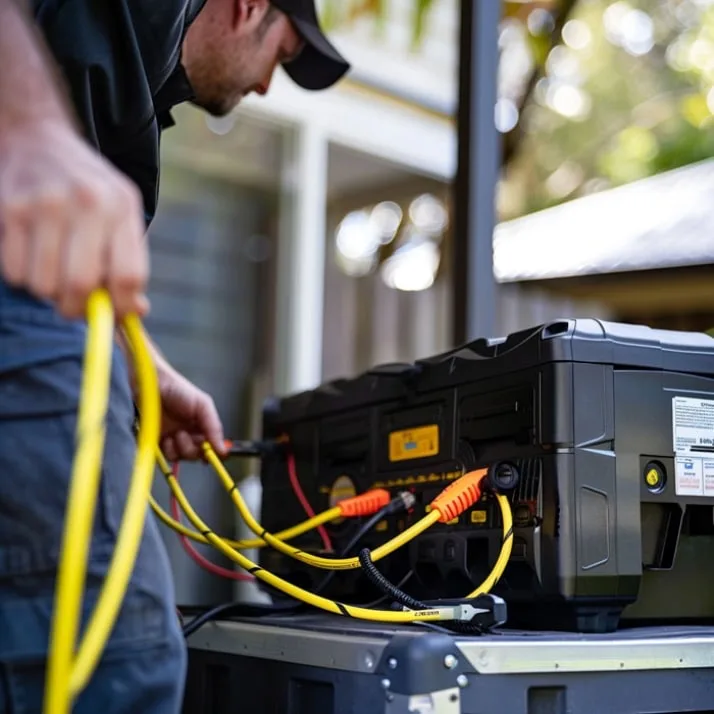
What Is Going On Behind the Wall
Power stops flowing for one of two broad reasons: something has failed inside your home's wiring, or the supply reaching your property has been interrupted before it even gets there.
Inside the house, that usually means a tripped main switch, a blown fuse, or a fault serious enough to shut the whole board down rather than just one circuit.
Working out which of the two you're dealing with is the first job, and it's usually quick to check.
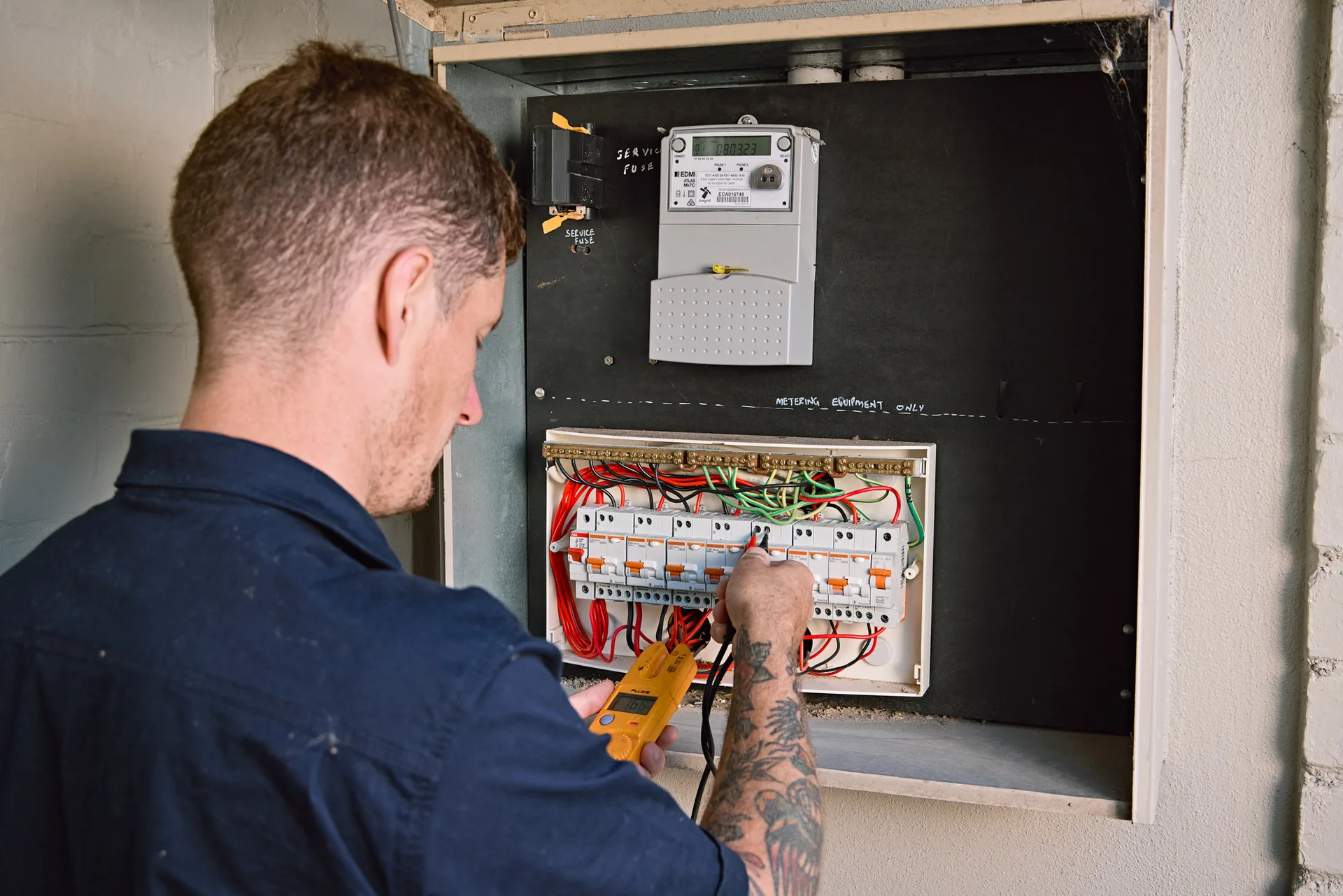
A phone photo of the switchboard and a look at whether the neighbours still have their lights on tells us most of what we need before we even arrive.
What Usually Causes It
Here are the most common reasons a Normanhurst home loses power completely, from most to least likely.
- A tripped main switch: the board's master switch cutting everything at once, often from a serious fault somewhere downstream.
- A blown main fuse: the fuse protecting the whole supply has let go, not just one circuit.
- A failed connection: a loose or corroded joint at the switchboard finally giving out.
- Storm damage: wind or rain affecting the supply line or an outdoor point.
- A major appliance fault: something serious enough to take down the entire board rather than one circuit.
- A network fault: the supply itself has failed before it reaches your meter.
Age plays a part too. Boards original to a Federation or inter-war home have had decades to accumulate small weaknesses, and an outage is often the point where one finally shows itself.
Is a Power Outage Dangerous?
Losing power on its own isn't dangerous. It's inconvenient, and sometimes it's a warning sign.
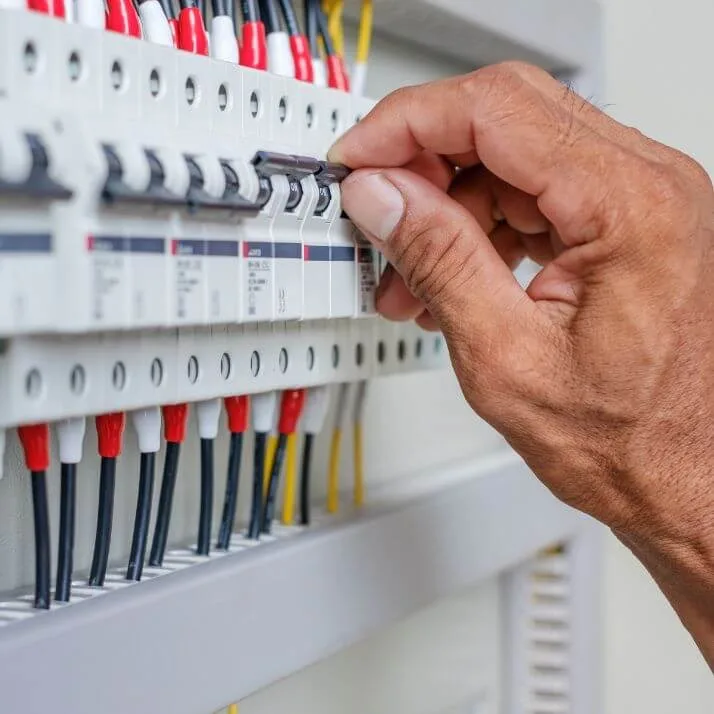
Treat it as urgent if you smell burning, notice heat or scorch marks near the switchboard, or if power keeps cutting out and returning in a cycle.
A steady, complete loss of power with no other symptoms can usually wait for a standard booking.
Anything paired with a smell or visible damage should get a call today, not a wait-and-see approach.
What To Do Right Now
- Check your neighbours' houses. If they've got power and you don't, the fault is on your side of the meter.
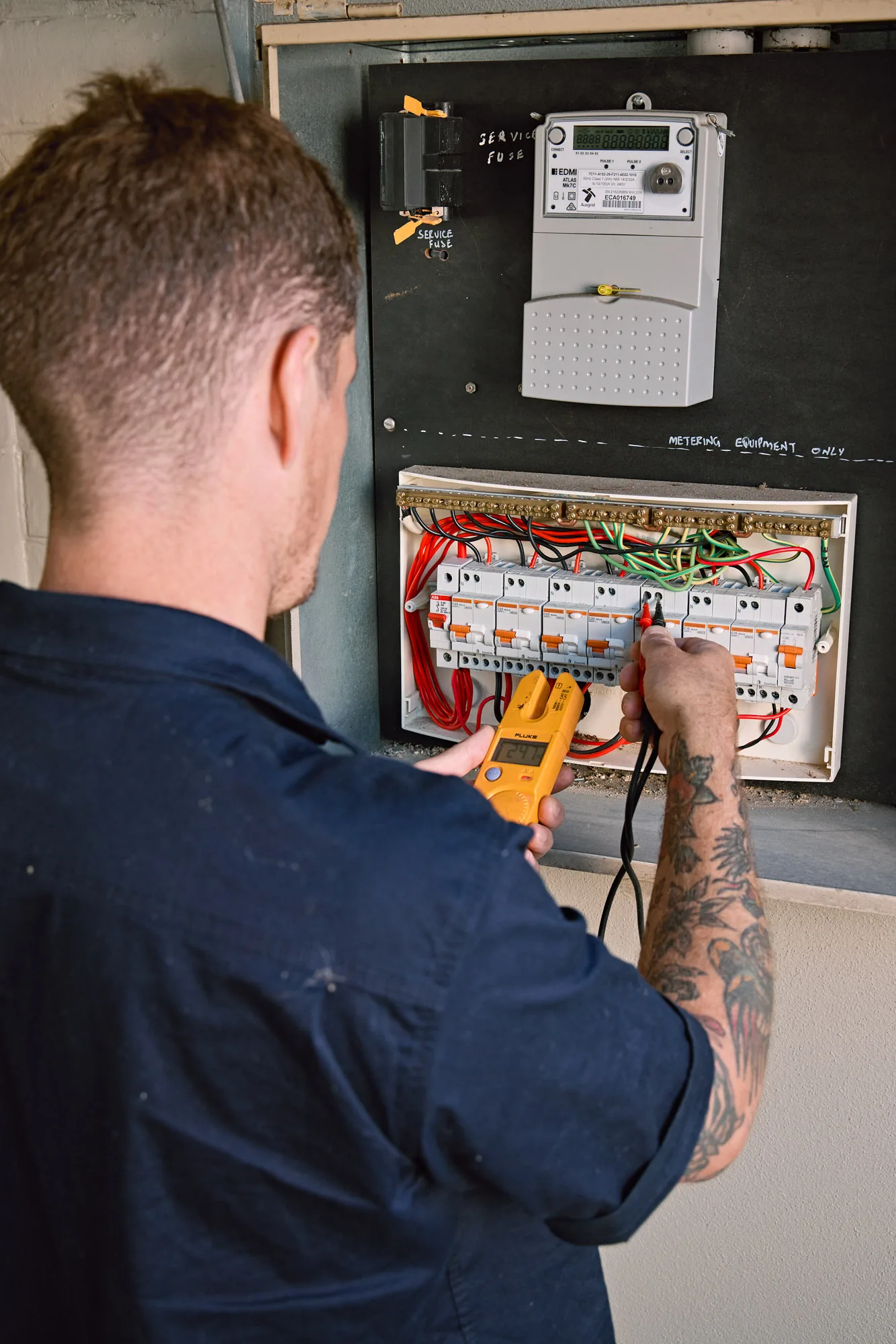
- Look at your switchboard. A tripped main switch or blown main fuse is often visible straight away.
- Call (02) 9139 8011 and tell us what you've found, and we'll say plainly if it needs a same-visit response.
How We Fix the Fault for Good
We start at the switchboard, since that's where almost every whole-house outage traces back to.
From there we work our way along each circuit in sequence, narrowing down exactly where the supply drops out.
Once we know the cause, we repair or replace to AS/NZS 3000 standard, then run the whole house through its paces before we pack up.
If the board itself turns out to be the real culprit, we'll flag that clearly and quote the upgrade as its own job.
A Local Angle on Power Outages
Normanhurst's heavy tree canopy does more than shade the streets.
During a summer storm, branches coming down on overhead lines are a common trigger for outages here, especially on the bushland fringe near the national park reserve to the west.
Autumn brings a different pattern, with leaf litter and debris affecting outdoor points and junction boxes rather than the lines themselves.
Either way, if the whole street has gone dark at once, that points to the network rather than your home, and it isn't something we can fix from inside your switchboard.
Everything inside your own wiring, though, is exactly our job, and that's where most of the calls we take from this pocket of Normanhurst actually sit.
Keeping It From Coming Back
A single outage is sometimes just bad luck. Repeated ones point to something worth addressing properly.
- Upgrade an ageing switchboard if it's the original board and struggling under modern load.
- Fit safety switches so a fault trips one circuit instead of the whole house.
- Get outdoor connections checked before storm season if branches overhang the lines.
- Have loose or corroded joints re-terminated rather than left to fail again.
- Book a fault-finding visit if outages are becoming a pattern rather than a one-off.
- Keep a record of when it happens. Storm, heat wave or ordinary Tuesday all point us somewhere different.
Nearby Suburbs and Related Faults
A whole-house outage sometimes starts life as a tripped circuit breaker on just one circuit before the main switch follows it down.
If your board makes any noise before the power drops, read our page on a noisy board next.
We handle outage call-outs across Normanhurst and into Hornsby, Wahroonga and Thornleigh on a regular basis.

Call Us Today, We Will Sort It
A power outage confined to your property won't fix itself, and it's worth knowing why before it happens again.
Call (02) 9139 8011 for a straight answer and a fixed price, often same or next day.
Common questions
Power Outages FAQs
The questions we're asked most about losing power at home. Ring (02) 9139 8011 if yours isn't covered below.
Is a power outage an emergency?
Only sometimes. A whole-street blackout is a network issue and not ours to fix, but power out at your place alone, especially with any burning smell, is worth calling us for straight away.
Can a power outage cause a fire?
The outage itself doesn't, but the fault causing it sometimes can, particularly a failing connection generating heat before it finally cuts out.
How do you find the fault behind a power outage?
We test at the switchboard first, then work outward circuit by circuit until we find where the supply actually stops.
Why does the power only go out at certain times?
Timing is a clue. Outages that hit during storms, heavy appliance use or hot weather usually point to a specific weak point rather than a random fault.
How much does it cost to fix a power outage?
A quick reconnection costs less than a board that's finally due for an upgrade. Either way, the number is agreed and written down before anyone picks up a tool.
How long does it take to restore power after a fault?
Most single-property faults are found and fixed in one visit. We'll tell you honestly if the job needs a follow-up.